 See photos and updates from listings directly in your feed
 Share your favorite listings with friends and family
 Save your search and get new listings directly in your mailbox before everybody else
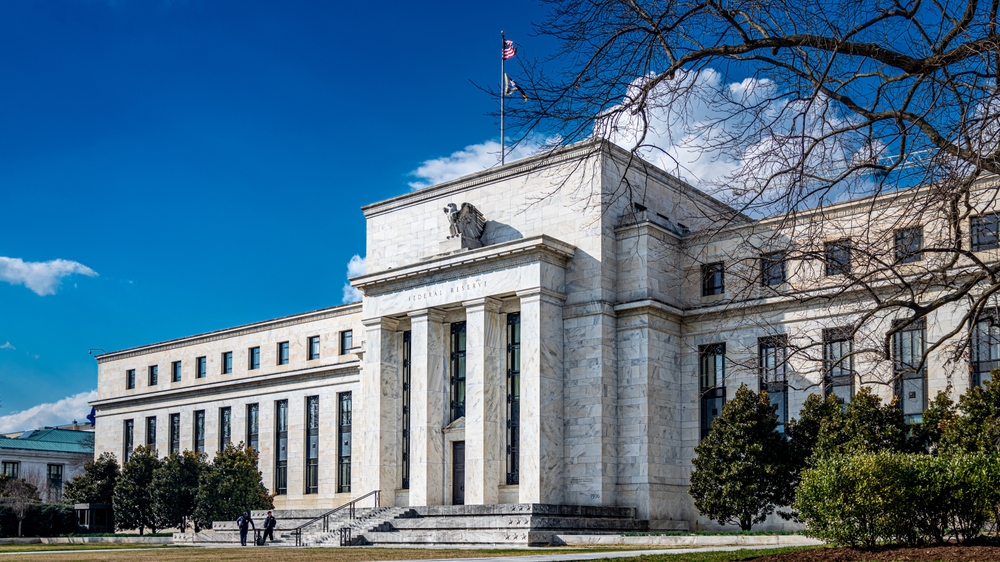
As the Federal Reserve’s meeting on March 18-19, 2025 approaches, questions swirl about whether the central bank will adjust its current interest rate range of 4.25% to 4.50%. This decision is crucial, as it will directly influence a variety of sectors, particularly the housing market and mortgage rates. Here’s what you need to know heading into the meeting.
The Economic Landscape: Mixed Signals
Recent economic reports paint a complex picture. The February Consumer Price Index (CPI) showed a year-over-year increase of 2.8%, a slight decrease from January’s 3%. While this points to a cooling in inflation, the rate is still well above the Federal Reserve’s 2% target. This means the Fed faces limited room to make drastic rate cuts, even though the broader economy is showing signs of slowing.
At the same time, uncertainties in trade policies, particularly around tariffs, have contributed to market volatility. These fluctuations have affected consumer confidence, raising concerns about potential economic slowdowns.
The Fed’s Dilemma: Hold, Cut, or Hike?
Given the current landscape, the Federal Reserve has several options to consider:
- Holding Rates Steady: Maintaining the current interest rate could give the Fed more time to assess how inflation and ongoing trade policy uncertainties play out. This option would align with the cautious stance Federal Reserve Chair Jerome Powell has emphasized in recent remarks, underscoring the importance of taking a measured approach in times of economic uncertainty.
- Cutting Rates: Some analysts predict that the Fed could opt to reduce rates to stimulate economic activity. However, with inflation still above target and past rate cuts not significantly impacting borrowing costs for consumers, there’s debate over whether this would be an effective strategy.
- Raising Rates: Increasing rates is a less likely option, given the economic slowdown and persistent inflation concerns. A rate hike could dampen consumer spending and hinder investment, potentially slowing growth further.
What This Means for Mortgage Rates
The Fed’s decision on interest rates has a direct impact on mortgage rates, which are influenced by the central bank’s policies, overall economic conditions, and investor sentiment.
- If the Fed Holds Rates: Mortgage rates are likely to stay stable, with minimal fluctuations. This stability could offer some predictability for homebuyers and those looking to refinance.
- If the Fed Cuts Rates: A rate reduction could lead to a slight decrease in mortgage rates, but the effect may be limited. Previous rate cuts have not substantially reduced borrowing costs, as long-term Treasury yields and other broader economic factors also play a significant role in determining mortgage rates.
- If the Fed Raises Rates: In this scenario, mortgage rates would likely rise, making borrowing more expensive. Higher rates could potentially slow down the housing market, as homebuyers may find it more difficult to afford mortgages.
Conclusion: Keeping an Eye on Fed Decisions
The Federal Reserve’s upcoming meeting could be a pivotal moment for both the economy and the housing market. Its decision will aim to balance controlling inflation and fostering growth. For those involved in real estate, whether buying, selling, or refinancing, understanding the potential outcomes of the Fed’s actions is essential.
Staying informed about these developments and seeking advice from financial professionals will be crucial as the situation continues to evolve. Keeping an eye on how the Federal Reserve navigates these challenging conditions will provide valuable insights into future mortgage rates and economic trends.