 See photos and updates from listings directly in your feed
 Share your favorite listings with friends and family
 Save your search and get new listings directly in your mailbox before everybody else
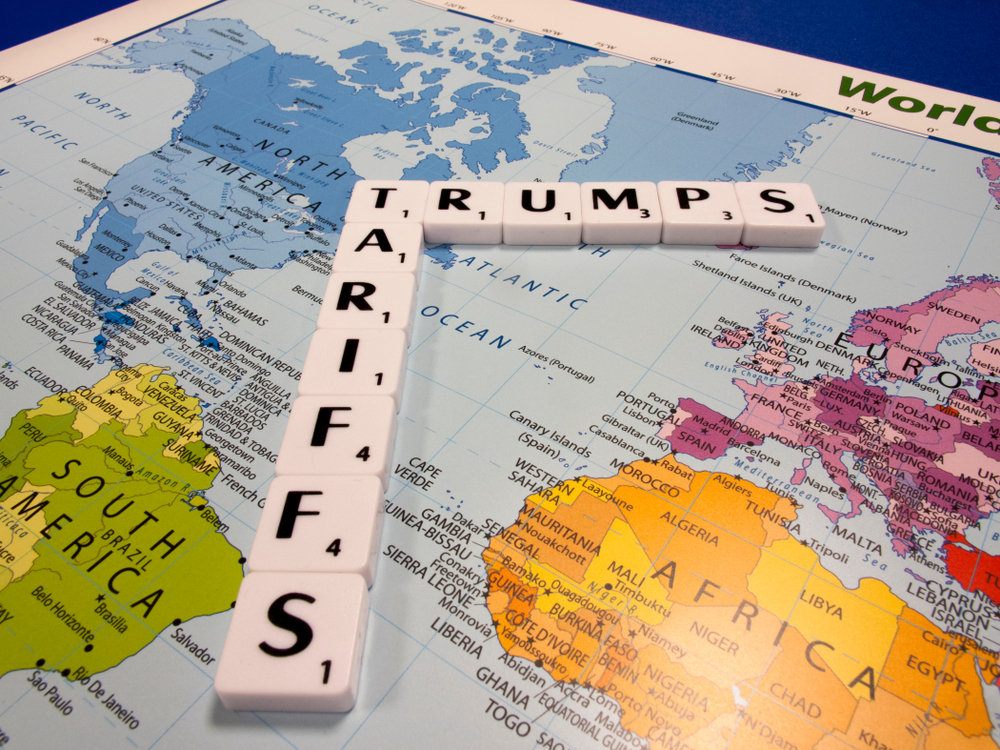
When discussing the real estate market, people typically focus on factors like interest rates, inventory, and buyer demand. However, trade policies, especially tariffs, can also have a big but often overlooked effect on housing costs, inflation, and even mortgage rates. The Trump administration’s heavy use of tariffs as both a negotiating tactic and an economic strategy provides an example of how these policies can influence the housing market, particularly in the short term.
Tariffs and Rising Construction Costs
The Trump administration regularly used tariffs as a bargaining chip in trade disputes, targeting imports such as steel, aluminum, and Canadian softwood lumber. These materials are essential for construction, and the impact was felt throughout the housing market:
- Steel and Aluminum Tariffs: By imposing tariffs on steel and aluminum, the cost of building materials for homes, office buildings, and infrastructure rose, increasing construction expenses.
- Lumber Tariffs: Canadian softwood lumber, a key material in home construction, also faced tariffs. This led to a significant rise in the cost of building a single-family home.
For developers, the higher cost of materials led to delays or scaled-back plans, reducing the number of new homes being built and driving up prices in an already tight market.
Short-Term Impact on Builders and Buyers
In the short term, the threat and implementation of tariffs created a sense of uncertainty. Builders faced fluctuating costs and supply chain disruptions, making it harder to stick to budgets and schedules. These increased costs were passed on to buyers, resulting in higher home prices and rents. In areas where affordability was already an issue, these changes worsened the situation.
Inflation and Mortgage Rates
The wider economic effects of tariffs also trickled down into the housing market, primarily through inflation:
- Rising Inflation: Increased construction material costs contributed to overall inflation. When prices rise across the economy, central banks, like the Federal Reserve, often raise interest rates to try to control it.
- Higher Mortgage Rates: Higher interest rates push up mortgage rates, making home loans more expensive. This can reduce demand in the housing market and slow down growth.
During Trump’s time in office, the combined impact of inflation and the Fed’s response to it made it harder for buyers to afford homes, especially those who needed financing.
Tariffs as a Political Tool
While tariffs are often seen as a long-term economic strategy, the Trump administration also used them as a short-term political tool. For example:
- Tariff Threats: Just the threat of additional tariffs caused uncertainty in markets that depend on imports.
- Prolonged Trade Disputes: Ongoing trade conflicts, like the one with China, led to fluctuating costs, which made it difficult for developers to plan their projects accurately.
This unpredictability added to the challenges faced by industries like real estate, where stability is crucial for long-term planning and success.
Key Takeaways
The Trump administration’s use of tariffs shows just how closely connected global trade and the domestic real estate market are. Here are a few important lessons:
- Unintended Consequences: Trade policies aimed at resolving disputes can end up making housing less affordable and reducing supply.
- Short-Term vs. Long-Term Effects: Although tariffs might eventually encourage more domestic production of materials, their immediate impact usually includes higher costs, slower construction, and inflationary pressure.
- Government Policy Matters: Beyond tariffs, policies like tax reform and deregulation also play a major role in shaping the real estate market.
Looking Ahead
As we look back on the Trump administration’s tariffs, it’s clear that trade policies can have significant effects on the real estate market. Policymakers and investors must consider the short-term impacts of these measures alongside their long-term goals.
For homebuyers and investors, understanding the links between tariffs, inflation, and mortgage rates is crucial. Staying informed about shifts in trade policy and how they might affect the housing market can help you navigate these changes in a dynamic real estate environment.